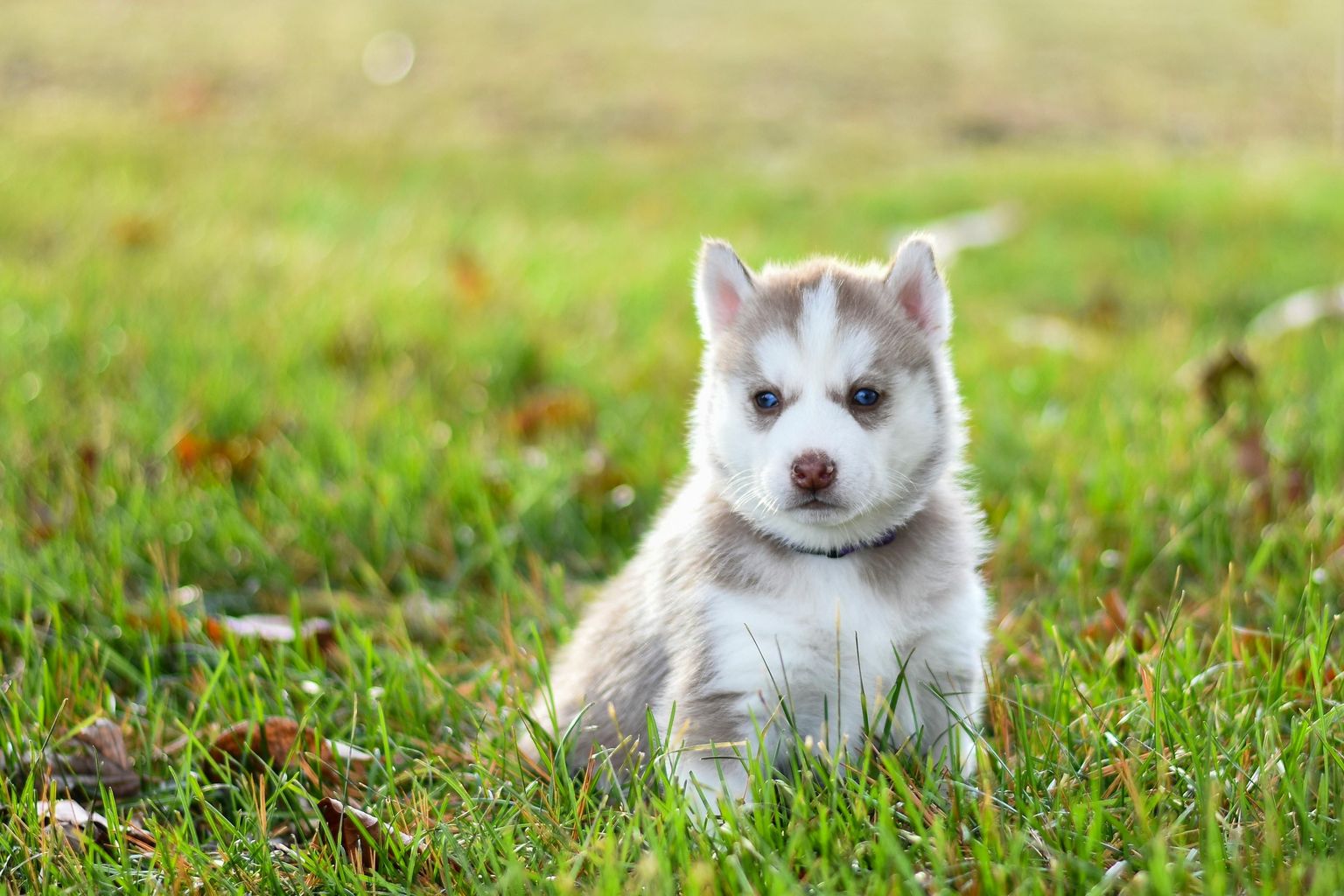
Bringing home a new puppy is exciting, joyful, and a little overwhelming. Beyond food, training, and vet visits, one of the most important responsibilities you have as a puppy owner is socialization. Proper socialization helps your puppy grow into a confident, calm, and well-behaved adult dog who can comfortably handle new people, animals, and environments.
Socialization doesn’t mean forcing your puppy into stressful situations or letting everyone overwhelm them. Instead, it’s about gradual, positive exposure to the world during a critical developmental period. Puppies are especially receptive to learning between 8 and 16 weeks of age (maybe even earlier, but puppies should not be separated from their mothers before 8 weeks of age), making this window crucial for shaping their future behavior.
Below are five essential tips to help you socialize your new puppy safely, effectively, and successfully.
Tip 1: Start Early, But Go at Your Puppy’s Pace
The earlier you begin socialization, the better—but early does not mean rushed. Puppies learn best when they feel safe. Introducing new experiences too quickly can actually cause fear rather than confidence.
- Start with calm, low-stress situations:
- Let your puppy explore different rooms in your home
- Introduce household noises like the vacuum or TV at low volume
- Allow them to meet a few trusted people one at a time
Watch your puppy’s body language. Signs of comfort include relaxed ears, curiosity, wagging tails, and playful behavior. If your puppy freezes, hides, or tries to escape, the situation may be too intense. In that case, take a step back and try again later in a gentler way.
Socialization is not a race. A slow, positive experience now can prevent fear and anxiety later in life.
Tip 2: Focus on Positive Experiences, Not Just Exposure
Socialization isn’t just about encountering new things—it’s about learning that new things are good. Every interaction should be paired with something positive, such as treats, praise, toys, or gentle affection.
For example:
- When your puppy meets a new person, reward calm behavior with treats
- When they hear a loud noise, calmly praise them and offer reassurance
- When they walk on a new surface like grass, concrete, or sand, encourage them with a happy tone
Avoid forcing interactions. If your puppy doesn’t want to be touched or approached, respect that boundary. Forced exposure can teach fear, while voluntary exploration builds confidence.
Think of socialization as teaching your puppy to say, “That was new—and it wasn’t scary!”
Tip 3: Safely Introduce Other Dogs and Animals
Meeting other dogs is an important part of socialization, but safety is essential—especially before your puppy has completed their vaccinations.
Choose interactions carefully:
- Arrange playdates with healthy, fully vaccinated, friendly dogs
- Avoid dog parks until your vet confirms it’s safe
- Supervise all interactions closely
A well-matched playmate can teach your puppy important social skills like bite inhibition and reading body language. However, negative experiences—such as rough play or intimidation—can have lasting effects.
If you have other pets at home, introduce them slowly. Keep early interactions short and calm, and reward all animals for relaxed behavior. The goal is peaceful coexistence, not instant friendship.
Tip 4: Expose Your Puppy to Different Environments and Situations
Dogs that are only socialized at home may struggle when faced with the outside world. Gradually introduce your puppy to a variety of places, sights, and sounds.
Examples include:
- Walking on quiet streets
- Visiting pet-friendly stores
- Riding in the car
- Hearing traffic, bicycles, or strollers
- Seeing people wearing hats, uniforms, or backpacks
You don’t need to overwhelm your puppy with everything at once. Even sitting on a park bench and watching the world go by can be a powerful learning experience.
Always bring treats and keep sessions short. End on a positive note so your puppy associates new environments with comfort and success.
Tip 5: Keep Socialization Ongoing and Consistent
While early puppyhood is the most important period for socialization, learning doesn’t stop at 16 weeks. Dogs benefit from continued positive exposure throughout adolescence and adulthood.
- Make socialization part of your routine:
- Invite friends over regularly
- Practice calm greetings
- Continue visiting new places
- Reinforce good behavior with rewards
Consistency is key. Puppies that stop socializing after early training may develop fear or reactivity later on. By keeping experiences positive and regular, you help your dog remain adaptable and confident as they grow.
If you notice signs of fear or anxiety, consider working with a qualified trainer who uses positive reinforcement methods.
Final Thoughts
Socializing a new puppy is one of the greatest gifts you can give them. It shapes how they see the world and how they respond to challenges for the rest of their life. With patience, kindness, and consistency, socialization becomes less of a task and more of a shared adventure.
Remember:
- Go slowly
- Keep experiences positive
- Respect your puppy’s comfort level
- Make learning fun
A well-socialized puppy grows into a happy, confident dog—and that leads to a stronger bond between you and your canine companion for years to come.